Introduction
As summer time approaches, the sweltering warm can turn your relaxed abode into an uncomfortable sauna. Air conditioning tactics come to be imperative, however the question arises: can you put in your possess air conditioner? With a growing pattern toward DIY projects, many house owners are considering that taking matters into their personal fingers. This article delves into the ins and outs of DIY AC installation, exploring even if it’s basically achievable for the regular home-owner or more beneficial left to the professionals.
Understanding the Basics of Air Conditioning Systems
What is an Air Conditioner?
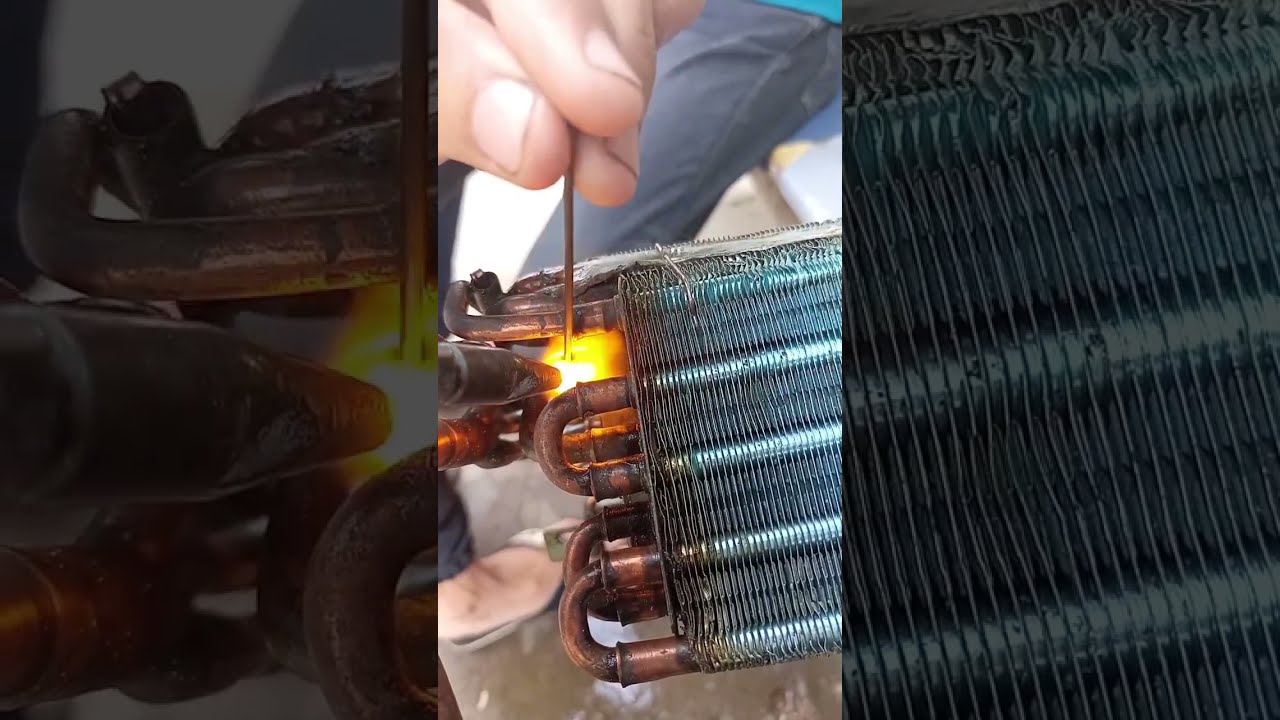
An air conditioner (AC) is a gadget designed to regulate indoor temperatures by removing warmth from a specific part and expelling it backyard. It operates on the ideas of thermodynamics, regarding refrigerants that take up and liberate heat.
Types of Air Conditioners
When taking into consideration a DIY AC installing, it can be principal to be aware the the several forms of air conditioners achieveable:
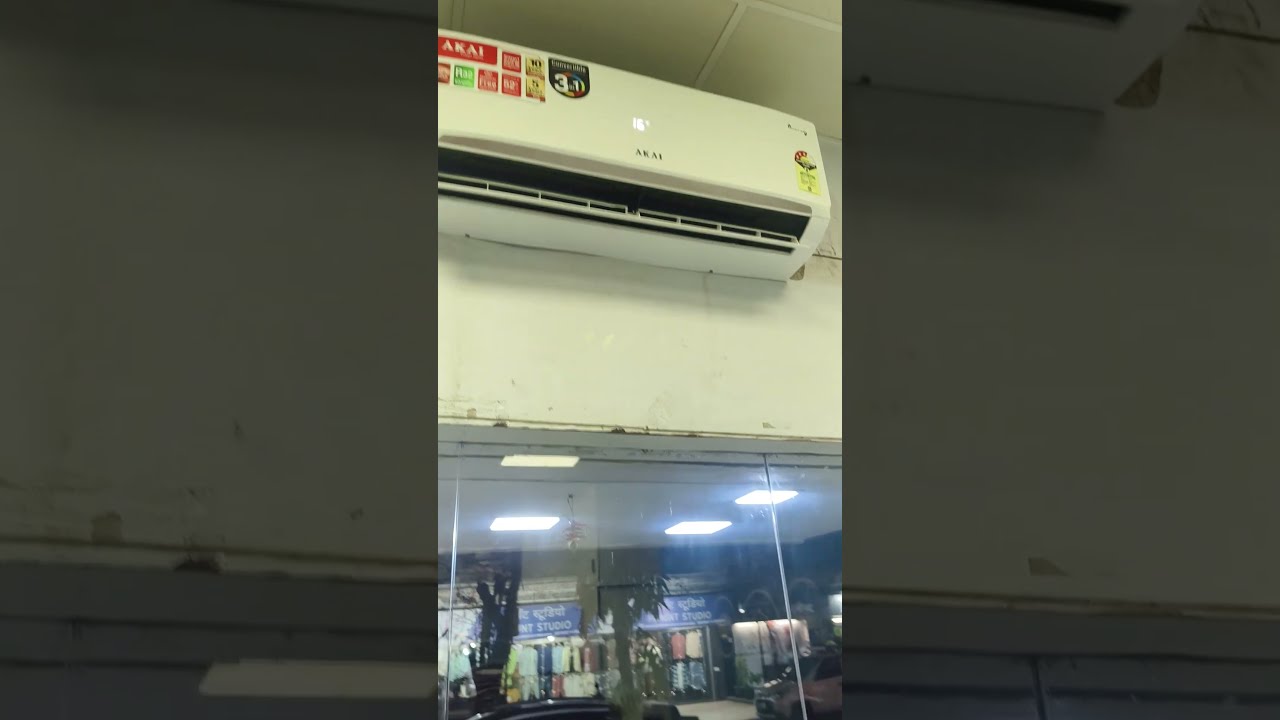
- Window Units: Compact devices most fulfilling for unmarried rooms. Affordable but may well be less effectual for large areas. Portable ACs: Versatile and common to move however also can require venting by a window. Split Systems: Comprising two contraptions (indoor and out of doors), proposing helpful cooling for accomplished residences but intricate to install. Central Air Conditioning: Best for giant houses, making use of ducts to distribute cool air all over.
Choosing the Right Air Conditioner
What Size of AC Unit Do I Need?
Determining the appropriate measurement is indispensable. An undersized unit will combat to cool your house, even though an outsized unit will cycle on and rancid too in the main, main to inefficiency. The popular rule of thumb is:
- Calculate your room's sq. pictures. Use BTU (British Thermal Units) rankings as a guide. Typically, you want about 20 BTUs in step with rectangular foot.
| Room Size (sq feet) | Recommended BTUs | |-------------------|------------------| | one hundred - three hundred | five,000 - 7,000 | | 300 - six hundred | 7,000 - 14,000 | | six hundred - 1,000 | 14,000 - 25,000 |
How Do I Know What Type of Air Conditioner to Buy?
Choosing an AC comprises evaluating various aspects:
Room Size: Larger rooms require extra amazing units. Energy Efficiency: Look for contraptions with high SEER (Seasonal Energy Efficiency Ratio) ratings. Installation Feasibility: Some sorts are more uncomplicated for DIY set up than others. Cost: Factor in either preliminary acquire worth and lengthy-term operational fees.DIY AC Installation: Can You Really Do It Yourself?
The solution isn’t sincere; it relies upon broadly for your expertise and adventure. While many homeowners efficiently accomplished their possess installations, there are complexities in contact which may bring about error if one isn’t cautious.
Pros of DIY Installation
Cost Savings: Avoid exertions expenses through handling setting up your self. Flexibility: Choose your agenda with no waiting for seasoned availability. Learning Experience: Gain efficient knowledge and experience about HVAC strategies.Cons of DIY Installation
Potential Errors: Mistakes can end in inefficient operation or even wreck to the unit. Safety Risks: Working with electric aspects poses security negative aspects if no longer handled effectively. Warranty Issues: Many brands void warranties if installations aren’t done by means of certified gurus.Preparing for Your DIY AC Installation
Gather Necessary Tools and Equipment
Before diving into install, confirm you've got you have got every thing you need:
- Screwdrivers Wrenches Level Tape measure Drill Safety goggles and gloves
Read the Instruction Manual Thoroughly
Each air con unit comes with designated guidance that would have to be adopted closely for correct install and most desirable efficiency.
Step-via-Step Guide to Installing Your Own AC Unit
Step 1: Choosing an Installation Location
Select a area that permits sufficient airflow both interior and outdoor even as being unquestionably reachable for maintenance.
Step 2: Mounting the Indoor Unit
If you are setting up a cut up process:
Use a degree to mark where the indoor unit will hold at the wall. Drill holes as detailed within the guide for mounting brackets.Step three: Installing the Outdoor Unit
Place the backyard condenser on a solid floor like concrete pads or brackets—making certain acceptable drainage clear of your home.
Step 4: Connecting Electrical Lines
Follow protection protocols when connecting force strains:
Turn off electrical energy on the breaker box beforehand starting place work. Connect wires in response to brand requirements; improper wiring can reason fires or accessories failure.Step 5: Sealing Refrigerant Lines
Ensure all connections are tight and competently insulated with foam tape or an identical materials to ward off vigor loss.
Testing Your Newly Installed AC System
Once all the things is connected:
Turn on continual at the breaker box. Switch in your unit employing remote handle or wall thermostat. Monitor overall performance—examine airflow temperature after operating for a couple of minutes; it should still be tremendously cooler than room temperature.FAQ Section
Q1: Can I Install My Own AC Unit?
Yes! Many homeowners correctly comprehensive their possess installations; even if, it requires cautious planning and adherence to protection protocols.
Q2: How Much Does Professional AC Installation Cost?
Professional prices range commonly depending on area yet traditionally fluctuate from $500-$2000 depending on complexity and type of unit put in.
Q3: Where Can I Buy Air Conditioner Online?
Several reliable retailers promote air conditioners on-line—appearance out for targeted visitor stories while purchasing from websites like Amazon or really good HVAC retail outlets like acprices.ca.
Q4: Are There Any Local Regulations Regarding AC Installation?
Yes! Check regional constructing codes which would dictate categorical standards on the topic of HVAC installations—failure to comply might induce fines or obligatory removal of non-compliant contraptions.
Q5: What Maintenance Is Required After Installation?
Regular protection includes changing filters each and every few months, cleaning coils each year, checking refrigerant stages, and ensuring drainage procedures paintings well.
Q6: How Do I Find The Best AC Companies in Canada?
https://manueleqnt782.bearsfanteamshop.com/the-ultimate-guide-to-ac-repair-tips-from-acprices-caYou can seek online directories like acprices.ca which supply scores based mostly on patron reviews and provider first-rate—ensuring you come to a decision respectable providers whilst obligatory!
Conclusion
In end, whilst carrying out a DIY AC setting up would look daunting originally glance, with sufficient practise and competencies it’s absolutely you'll! From realizing what size unit matches your demands best possible by using researching how every one thing works collectively—the adventure would just empower you in addition as a house owner! Remember at all times prioritize safety mainly else during deploy methods; if in doubt don’t hesitate achieving out mavens listed at most desirable AC firm directory Canada acprices.ca!
With summer desirable round nook don’t permit discomfort get you down—equip yourself these days by making an investment time discovering merchandise out there before making decisions even if employ professionals educated tradespeople or take plunge into unique world do-it-your self projects!
This article gives you finished insights into DIY air conditioning installing while keeping professionalism at some point of its content material—encouraging readers explore opportunities expectantly!